
Winter in Utah can be tough on a home’s infrastructure. Between the freezing temperatures, heavy snow loads on exterior lines, and the constant demand on your heating system, your electrical components have been working overtime. Now that the snow is melting in Salt Lake City, it is the perfect time to ensure that the current in your home is still flowing safely and efficiently.
A post-winter check is about more than just convenience; it’s about preventing hazards like electrical fires or power surges that can happen when systems are stressed. By taking a few minutes to walk through your property, you can spot small issues before they become expensive repairs. Most of these checks are simple for any homeowner to perform, but they provide vital information about the health of your residential electrical systems.
Checking Your Outdoor Outlets and Connections
The exterior of your home often takes the brunt of winter weather. Ice buildup and moisture can seep into outdoor outlets, even if they have covers. Moisture is a natural conductor of electricity, and when it gets where it shouldn't be, it can cause short circuits or corrosion that might lead to a fire hazard.
When inspecting your outdoor areas, look for any signs of physical damage or discoloration. If you see anything unusual, it is best to keep the power off to that circuit until it can be inspected. Check the following areas specifically:
- Ensure all outdoor outlet covers are still intact and closing tightly against the elements.
- Look for bubbling or discolored plastic on outlet faces, which can indicate internal overheating.
- Test your Ground Fault Circuit Interrupter (GFCI) outlets by pressing the "test" and "reset" buttons to ensure they still trip correctly.
- Inspect any outdoor lighting fixtures for cracked glass or loose mounting caused by heavy winds or ice.
Inspecting the Main Service Panel and Breakers
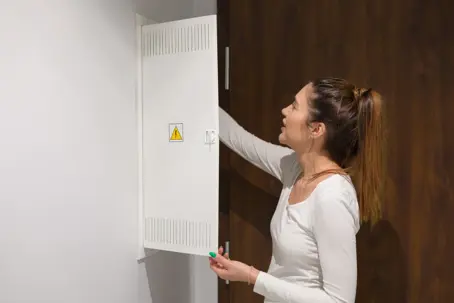
Your electrical panel is the heart of your home’s power, and winter often forces it to handle higher loads than usual. If you noticed your breakers tripping frequently while the heater or space heaters were running, your panel might be struggling to keep up with your household's needs. A quick visual inspection can tell you a lot about whether you need a professional electrical panel upgrade.
Open the door to your panel and look for any signs of soot, charring, or a faint ozone smell, which smells a bit like chlorine. These are red flags that wires may be loose or arcing inside the box. Also, listen for any faint buzzing or humming sounds coming from the breakers. If the panel feels warm to the touch, this is a clear sign that the system is overloaded and needs immediate attention from a licensed expert.
Evaluating Indoor Cords and High-Traffic Outlets
During the winter, we tend to use more indoor electronics, from electric blankets to extra lamps and space heaters. This extra usage can wear out your outlets or damage the cords of your favorite appliances. Now that you are putting the winter gear away, take a moment to look at the hidden areas behind furniture where cords have been plugged in for months.
Check your indoor electrical environment for these common post-winter issues:
- Look for frayed or pinched cords that may have been stepped on or caught under heavy furniture.
- Feel the outlets where high-wattage appliances were used; they should never feel hot or look singed.
- Ensure that you aren't still relying on "temporary" extension cords, which are not designed for long-term use in a home.
- Verify that all smoke detectors and carbon monoxide alarms are functioning, as these are your first line of defense if an electrical issue occurs.
Assessing Your Hot Tub Wiring for Spring Use
If you spent the winter months soaking in the backyard, your hot tub’s electrical system has been under constant load in freezing temperatures. The combination of water and high-voltage electricity leaves zero room for error when it comes to safety. Before you head into a new season of relaxation, a quick check of your dedicated hot tub wiring is essential.
Check the disconnect box (the "spa pack") located near your tub to ensure no pests have nested inside during the cold months. Rodents often chew on wire insulation, which can create a dangerous "hot" housing for the tub. Test the GFCI protection specifically for the tub; if it doesn't trip and cut power immediately during the test, do not enter the water until it is repaired.
Partnering With a Family-First Electrician
At Momentum Electric, we believe in service over profit, providing the same honest advice on inspections and repairs we’d give our own family. Winter can be tough on your electrical system, but we specialize in identifying and fixing post-winter issues, like flickering lights, buzzing panels, or faulty outlets, to ensure your home is safe and efficient for spring.
If your post-winter walk-through revealed some flickering lights, a buzzing panel, or outlets that just don't feel right, we are ready to help. We specialize in residential electrical repairs and upgrades throughout the Salt Lake City area, focusing on quality work that meets all local safety codes. Let us handle the technical side so you can focus on enjoying your home.
Ensure your home is safe for the season ahead. Contact us for a straightforward safety check today! Fill out this form or call (801) 383-0983